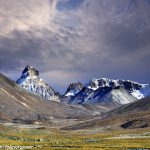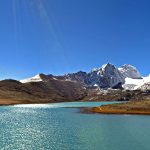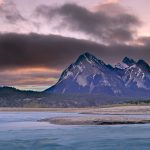

Ladakh means “Land of High Passes” and from the ancient time, these high passes of the Himalayas have been explored by Explorers, Monks, Hermits Mountaineers and even by the ancient military forces. This place is not only rich with natural beauty but also nourished with cultural and religious significance from the decade after decade. Currently, located in the Jammu and Kashmir state in Northern India, this place invites travelers and tourists from all over the world seeking for Natural Beauty, Mountaineering, Adventure Tourism and of course for Buddism.
In my all trips to Himalaya, this place remains one of my favorite with the striking beauty of Landscapes, Mountains, Rivers, valleys, it’s unique wildlife and of course the peaceful and welcoming people of this region.
The following article is not a “Travelogue / Travel Diary” but would be a piece of travel information and description of a photographic destination of this place.
The Entry Point of this region is Leh, the prime town of the Leh District and the connecting point by Air and Road from other major Cities from India, mainly from New Delhi. Nowadays, air travel has been improved and quite a few Flight Operators are operating in this region serving daily flights. This was not the case even a few years before. If anyone wants to entry Ladakh by road, the option is to drive from Manali to Leh through awesomely scenic routes which go through the valleys and high Himalayan Mountains. If someone has enough time and truly wish to see the mountainous landscape, I will suggest having at least one trip to Leh or from Leh via road. However, the roads are narrow, steps and somewhere may be broken due to harsh weather but this is beautiful and has been passed through some of the world highest motorable passes.
Ok, Now let’s start the rest of this blog with Photos and Photo-Stories……
Going to Leh via road by Leh-Manali Highway
The Road is passing through the High MountainsThe Road Side View
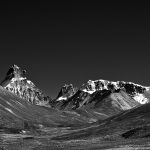
The Mountains and the Valleys
Some of them are the Highest Motorable Roads in the World Indus River
Arriving Leh & Exploring this Beautiful Town
As mentioned, Leh can be arrived either by Air or by Road. This town is full of hotels so accommodation will not be a problem but should be booked in well advance. One can enjoy Airport Pickup if that is booked in advance. Anyone is arriving Leh by Air should take a couple of days to rest in Leh town. Due to altitude gain, there is a chance of “Mountain Sickness” and you should allow your body to adjust this altitude gain. My advice to anyone who is reading this article that to take this very seriously as Mountain Sickness is very serious, it happens and if it happens, then you have to come down to normal altitude and consult a doctor.
Leh can be enjoyed in 2 days. The town has shops of colorful traditional dresses, Tibetan cultural items, and masks, and many more to explore.
Leh Palace – one of the iconic old palace in Leh Town Himalayan Mountain Seen from Leh On the way to the Monastery Inside of a Monastery Leh Town Leh Town at Night
Visiting Stakna Monastery and Surroundings
Chortens in the Himalayas Stakna Monastery and the Indus River
Visiting Thikshey
Started Early Morning, Went Uphills to See the Sunrise Thikskey Monastery in Snow Frozen Waterfalls in around -28C Temperature – in Winter Ladakh is very Harsh Livestock of local people A Small Village
Visiting Stakna Monastery
Beautiful Stakna Monastery beside the river IndusOther Places a little further from Leh
Shey Monastery Hemis MonasteryMani Stones Bar Headed Geese – They fly across the Himalaya during Winter from Siberia and recorded highest flyers in the Animal Kingdom Tibetan Wild Ass (Donkeys). They are wild and roam in this high altitude desert. Published in NatGeo Magazine Tso-Moriri Lake – A High Altitude Lake in this region